Showing posts with label curriculum. Show all posts

Friday, January 24, 2020

TRY #3: What do trees need?


Clipart Tree Images
Image From: https://www.clipart.email
Lesson 3: What do trees need?

Ben, Finn & Will are back this week (Tuessday with Mrs. Girouard and Friday with Mrs. Ayer) to teach another lesson about trees.  This week's focus is all about what trees need:


This week, we learned what trees need to survive! Trees need space, water, nutrients, sunlight
and air.

At home, you could try a family Tree Craft: Search for tree crafts and create some tree art for your
home!

Thursday, January 16, 2020

NEW MMUUSD Curriculum Website


Great news!  After much time coordinating with our curriculum coaches and coordinators, our district now has a website for families to explore.  Check it out!  https://www.mmuusd.org/family-curriculum

TRY Lesson 2: The Parts of Trees


Will, Ben and Finn from CHMS returned yesterday to teach our students about the parts of trees.  They even had the opportunity to create costumes and act out the life cycle of a tree!  You can read below to see more information about the lesson taught:

Lesson 2: What makes a tree, a tree? In our lesson today we learned what sets trees apart from other plants. Trees have three main parts: woody stem, crown and roots. We also discovered the life stages of trees. Ask your child what makes a tree a tree and have him or her show you their tree costume! Tree Challenge: Do you want to know what the tree in your backyard provides? Check out the tree benefits calculator to see the economic and ecological benefits of your tree. Visit www.treebenefits.com/calculator/ to learn more!

Thursday, August 30, 2018

Our New Math Program


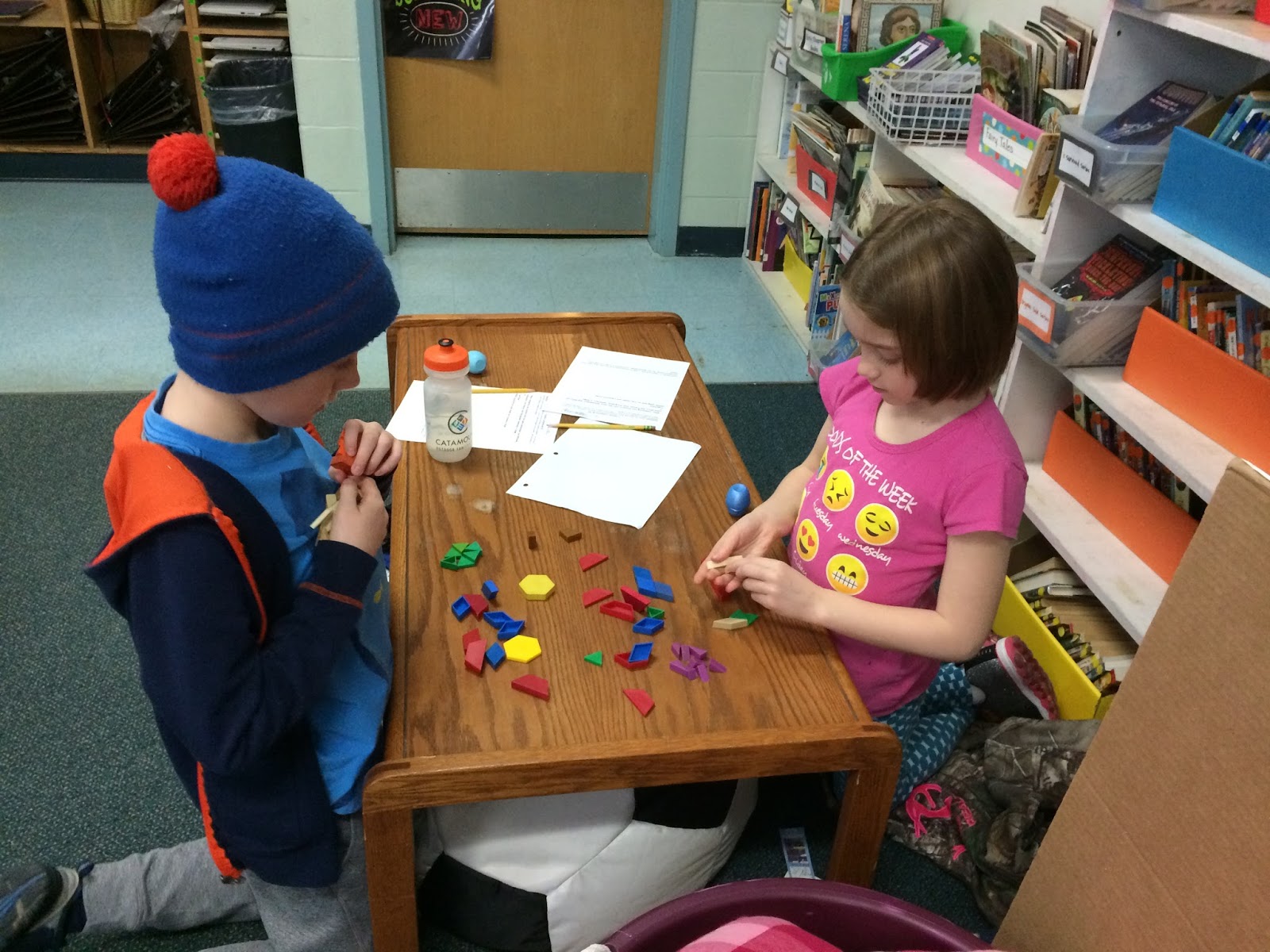
     We are excited to be using the new Investigations 3 math program.  It has been aligned to Common Core and there are some new features that we will be rolling out.  One nice feature is that we can link out the family letters to you via our blog.  A second feature that we will be sending out soon is a link to play the games we play in the class with your child at home.  This will allow students to have more time to practice the games that really support the learning of important math concepts.  These games are meant to be played with a partner and to encourage math dialogue as they will not let you know if the answer is correct. 

Wednesday, March 21, 2018

Artist-in-Residence @ RES #gofundme


Performance art and physical movement is so important to the RES community! For the last three years, we have dedicated our resources to hosting an artist-in-residence to our school to work with students in Grades K-4. 

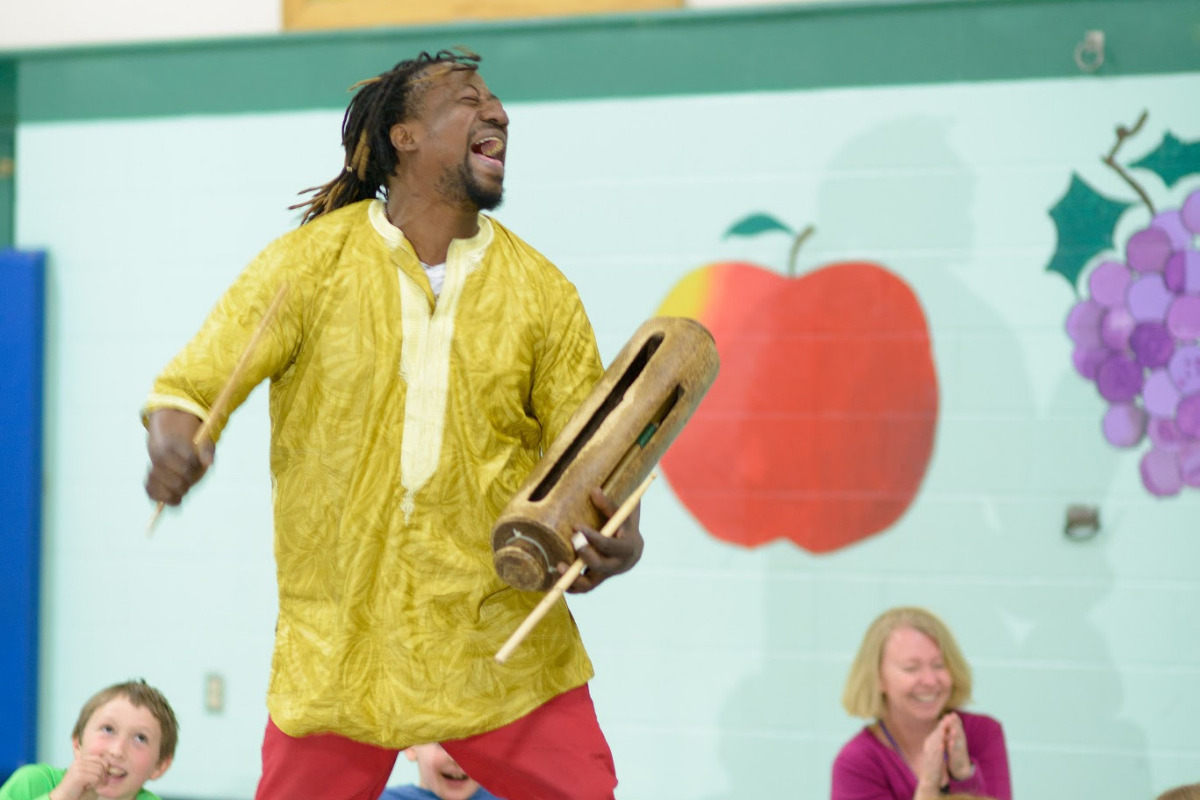
We have had Jeh Kulu (African Dance and Drumming) in 2015, Troy Wunderle (Circus) in 2016, and Gowri Savoor (Lantern Making) in 2017. The scholars and their families have learned from and loved each artist and we're excited to be continuing this great program.

Due to popular request, we are bringing Jeh Kulu back! This traditional West African Dance and Drum company will be coming to Richmond Elementary School in April 2018 for four days.  During this time, students in Grades K-4 will have an opportunity to learn from these amazing Vermont artists during their physical education classes.   Our third grade classes will be using this opportunity to further connect with our World Cultures unit and our hope is to have a special performance-celebration with Jeh Kulu at the end of the week to conclude our learning!

We have raised a portion of the artist fee through grant fundraising, but are seeking your help to ensure that the artists can be here all four days and visit with every classroom! Thank you for supporting the performance arts and physical movement at RES! 

You can support this program at RES by visiting this site:  https://www.gofundme.com/artistsatRES

Learn more about Jeh Kulu, Vermont Council-endorsed Artist-in-Residence at:
http://www.jehkulu.org/
27426904_15175155120_r.jpeg
27426904_15175155250_r.jpeg

Thursday, April 6, 2017

Coming Soon: Flynn Field Trip! #FlynnAtMySchool

Mufaro's Beautiful Daughters: An African Cinderella Story


On May 1, 2017, we'll be traveling to the Flynn Center for the Performing Arts in Burlington to see a production of this traditional story.  It's a fabulous connection to our "Once Upon a Time: Fairytales" writing until that we'll be starting just after spring break, too.

Here's what the Flynn Center says about the show: 

An audience favorite, this beautiful adaptation of John Steptoe’s Caldecott Award-winning book reveals the splendor of Zimbabwe with traditional chanting, drumming, and dance. Unlike the Cinderella variants in many other cultures, this tale’s notion of beauty is more than skin-deep: goodness, generosity, and integrity prevail when kind Nyasha wins the king’s hand over her selfish and spoiled sister. Acknowledged by critics as a breakthrough book for inspiring African American children to take pride in their ancestry, the story is even more powerful onstage, performed by the stellar Dallas Children’s Theater. 

AND...on April 17th, each class will participate in a Flynn Companion workshop with Susanna Olson, a Flynn teaching artist.  A giant THANK YOU to Mrs. Rankin for organizing all of this for us!

Permission slips were sent home on Monday, April 3rd and need to be returned by April 14th.  Please let us know if you need a new permission slip!

Wednesday, February 22, 2017

Fraction Conjectures


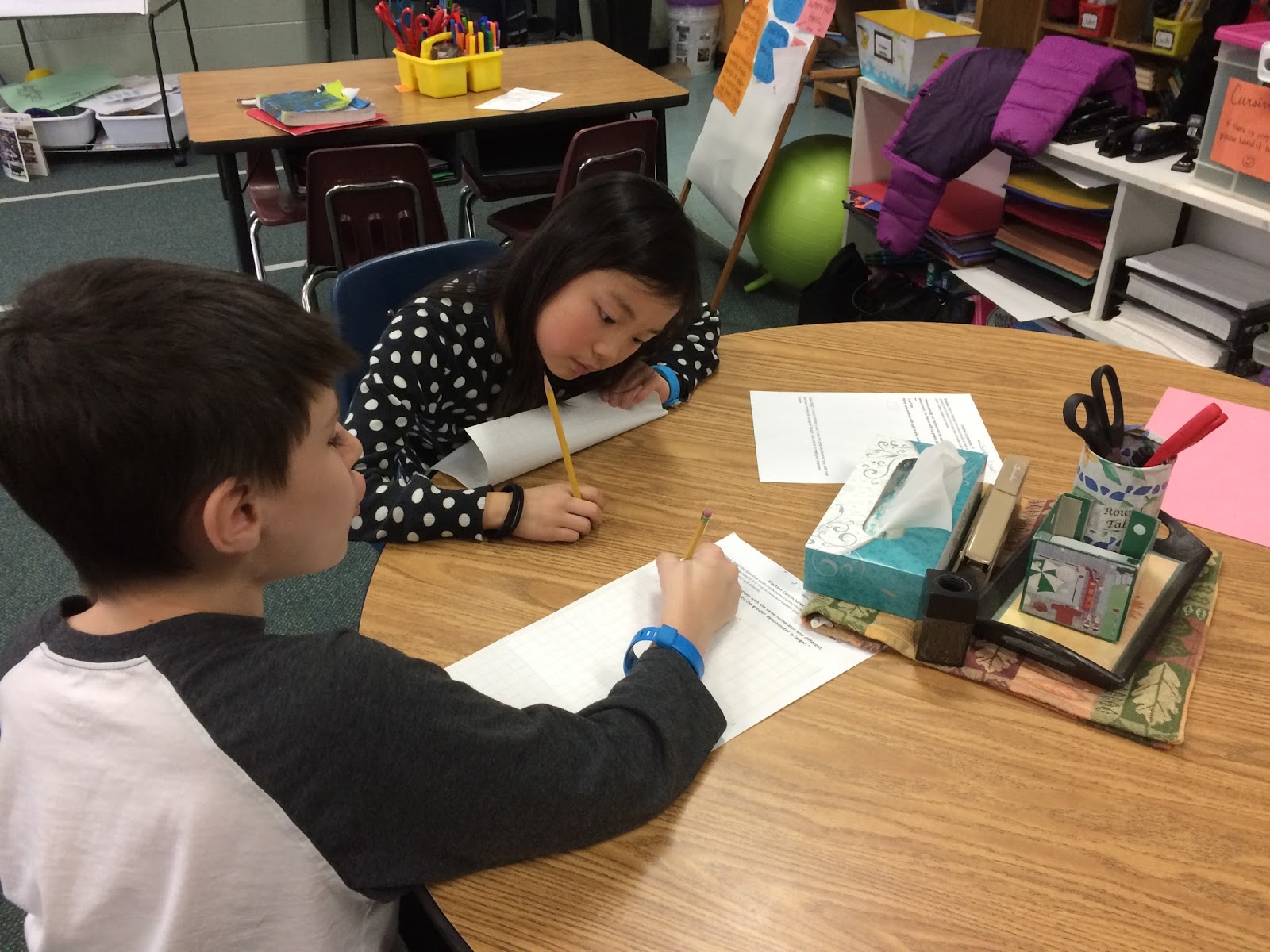
         As our third grade students were wrapping up their unit on fractions, they worked in partnerships to prove or disprove conjectures.  A conjecture in math is a statement that is made that appears to be true, but hasn't yet been proven.


      In partnerships, they worked to create models and examples to prove the statement true or to prove the statement false.  After spending time working on them they gathered in larger groups to share their ideas and put it all together.  Third graders persevered in this work and really solidified their conceptual understanding of fractions!


Wednesday, September 28, 2016

Huntington River in Review #ngss #fieldtrip


Last week, we visited the Huntington River at the Audubon Nature Center as part of our science unit about Interdependence and Organisms.  While at the river, groups of students completed three different activities.

At one station, students were working with Mrs. Ankerson to conduct a "BMI" (benthic macroinvertebrate) count of the Huntington River.  This required us to use our identification skills to determine which organisms we found in the river.  Photos of some of these organisms are in the slideshow.

At another station, students played a game with Mrs. Ayer to learn about the food chain within the Lake Champlain Basin.  Students were either algae, macroinvertebrates, or yellow perch.  During the game, students also learned about ways that the watershed can get polluted.  Some examples of pollution include dog poop, cow manure, road runoff, oil, etc.  We'll revisit this topic again later.

Finally, with Miss Darby, students spent time observing the environment in two ways.  First, they used their senses (sight, sound, touch, smell) and took notes of their observations.  Then, they drew a scientific drawing (accurately detailed with labels) of their surroundings.

A huge thanks to the Audubon for allowing us the opportunity to use their land for our field experience!  (Donations to the Audubon would be greatly appreciated!)

Wednesday, June 1, 2016

Westward Expansion Projects in Enrichment

Throughout the year, we collaborate with Mrs. Rankin and Enrichment class to enhance the learning in our classrooms.  Students spent three enrichment classes creating and making something that would share their learning about the Westward Expansion topic of their choice.

We had students cooking, creating green screen videos, making 3D projects from wagons to models of gold rush panning and the Alamo.  I love giving the students freedom to create anything that showcases their learning and to see what they produce.  I also really valued that students wanted to include reports and information that they had collected in their classrooms during their research. I think that creating a project at the end of a learning process can be a great way to give students creative freedom and to help them synthesize the knowledge they have acquired.

Sharing their learning in a project was great, but what gave it additional meaning was the knowledge that they would also share their projects with second graders and in the display case at the front of RES....as well as online in this blog post. As second graders prepare for grade 3....this connection at the end of the year is meaningful for all!

Here is a glimpse into the share with Grade 2:


This post originally appeared on Mrs. Rankin's Enrichment at RES blog.

Friday, September 11, 2015

Writing Workshop

We use the "Writing Workshop" approach for writing instruction in 3rd grade.  The following slideshow will explain how and why we do what we do for writing instruction.  It will also provide answer to frequently asked questions AND provide families with ways to talk about and celebrate writing at home!


(Slideshow adapted from Two Writing Teachers blog, with permission.)

Monday, June 1, 2015

Sharing Westward Expansion Projects

A Guest Post from RES Enrichment Teacher Darcie Rankin.  This post originally appeared on the Enrichment at RES

blog.

Westward Expansion Projects


This year I have had the great opportunity to collaborate with the third grade teachers on many of their science and social studies units.  Last month, we worked together to elaborate on student learning about westward expansion by utilizing our enrichment time, and some library time to create student interest projects.  Students spent time learning about some westward expansion topics--everything from clothing, to dangers on the trail, to the Gold Rush was explored using books and online resources!  Next students selected an individual topic that they wanted to learn more about. Students took notes and found images to support their learning.  In their classrooms students wrote a research report on their topic.  During enrichment time students created a project.  The guidelines for this project were broad, and students were encouraged to be creative as they thought about what type of project would best share information about their topic with others. It was really great giving students a chance to explore something they wanted to learn more about, and it provided depth to their in class curriculum learning about westward expansion.

The projects that students designed were as varied as their topics and included: clay models, cooking, wooden models, Google presentations, green screen movies, songs, posters, cartoons, drawings and more!

One important aspect of any project is knowing that your work has an audience.  On Friday, third graders were thrilled to share their great work (reports and projects) with the second grade classes.  Third graders set up their projects and then answered questions as second graders visited each of the classrooms. I was really impressed with the conversations that I witnessed that showed that second graders were truly interested in learning about a new subject and that proved that third graders had become topic experts! This was a great connection for second graders who are starting to think about becoming third graders next year and our third graders were really proud to share their learning.

The below video shows the westward expansion project share so that you too can celebrate this great learning. Enjoy!


Sample Green Screen projects:


Friday, September 19, 2014

Investigating Streams #resvt #stem


Investigation Stream Source

In Science this week, 3rd grade scientists used their observation skills to investigate how a steady stream source would impact the erosion on a land model.  As a class, we developed a testable question and then students worked in small groups to investigate the topic.  We'll be continuing this work in the coming weeks with further investigations.  Stay tuned!

Friday, May 16, 2014

Live Chick Cams!

hatching chick

Our classroom chicks are nearing the expected hatch date and we've set up webcams on our incubators (and we'll move them to the brooder area when our chicks move there, too).  Tuesday, May 20th is the expected hatch day...keep an eye on the cams for live coverage!

Mrs. Ankerson's chick-cam: http://www.ustream.tv/channel/chicken-hatch-cam

Mrs. Ayer's chick-cam:  Mrs. Ayer's Cam

Miss Darby's chick-cam: http://www.ustream.tv/channel/miss-darby-s-chick-cam

We're using a web application called "UStream" which also has a free mobile app on iOS and Android devices.  Look in the app store to download these apps to see the live action on the go!

(Image from Microsoft Office Clipart Gallery)


Wednesday, April 9, 2014

3rd Grade Pot Luck


THIRD GRADE POT LUCK!


Thursday, April 17th, 2014


Immediately Following Grade 3 Play!


RES Cafeteria


Last Name A – F Once Upon a Time Appetizers*


Last Name G - O  The Story Unfolds Main Course*


Last Name P – Z  The Sweet Ending Dessert*


Join the third grade community for a meal!!!  Enjoy your child’s friends and their family in an informal and fun setting!  Dinner and play--what could be better?!


We have also created a sign up genius to get a feel for how many people are planning on attending and who is bringing what. This will help us to ensure we have enough drinks and plates!  If you have a minute, please click below to let us know of your plans! And to provide everyone with entertainment, feel free to name your dish after a fairy tale :)


* If you have a favorite pot luck item, feel free to vary from this. It is just a guideline so we do not end up with 50 desserts! 

Tuesday, November 5, 2013

Science: Organisms

Our current science thematic unit is "Organisms." This year in grade 3 we are studying this unit in two parts. Part one, which we are studying now through November, focuses on classification and structures and functions. The essential questions for this part are: How are groups of organisms alike and different and how does this help us classify them?, Why do we classify organisms?, and How do the characteristics of organisms help them survive?  Part two, which we will be studying in the spring focuses on life cycles. During that time we will hatch chicks and grow "Wisconsin Fast Plants" with our classroom grow labs. Our essential question for that part is How are organism life cycles the same and different?

One big aspect of helping students learn about classification is getting them to make careful observations of the world around them. We have each student keeping a Scientist's Notebook. One of the first entries in this notebook is a scientific drawing for which students collected an interesting plant and made a careful, detailed drawing including labels for the parts of the plants that they knew. While we did not expect students to know all the parts of the plant at this point, it was an exercise to help them begin to notice details about organisms and their structures, and how scientists and naturalists might use drawings of what they find to begin to identify them. Then students compared and contrasted stuffed animals using a Box and T-chart frame. Again, to help students begin to look carefully at features, but to also teach them how to use a specific comparison tool.

From there students began looking carefully at photographs of different animals and classifying them by creating their own categories that made sense to them ("furry animals," "animals with tails," and so on). Students were asked to record their categories for classifying the animal in their scientist's notebook. Our field trip to ECHO helped us with the next step in learning about classification. There we participated in a school program that focused on the specific features the five vertebrate classes have that scientists use to classify them. We have followed up by having students work in groups to record criteria for each of these five classes and then teaching other groups of students about them. They also worked on writing riddles in which they list features for a specific animal and by the end of the riddle they should have provided enough information for other students to "classify" them.

Our next step is to zoom in on specific characteristics of organisms and how these features or characteristics help them survive. We look at structures and functions of plant parts, and compare and contrast them to human structures. We study bird beaks and feet and what these features tell us about those particular birds and how they survive (what they eat, where they live). Students look closely at the organism they are studying in readers and writers workshop and determine what special features or characteristics that organism has to help it survive.

In the spring we will come back to organisms to compare and contrast similarities and differences between organisms' life cycles. To get a closer look at specific life cycles we will hatch chicks and grow "fast plants" in our classroom grow lab. This will be a great way to wrap up our year-long theme of "Growing, Moving, and Changing."

Sunday, November 3, 2013

Our Current Math Unit

We are more than halfway through our second numbers in operations book called, "Collections and Travel Stories: Addition, Subtraction, and the Number System 2".  Throughout this unit "students practice and refine their strategies for solving addition problems with three-digit numbers to 400 and subtraction problems with two- and three-digit numbers to 300. In addition to solving removal problems, they expand their understanding of subtraction as they solve comparison problems and problems in which they find the missing part of a whole.They increase their understanding of place-value as they extend their work into three-digit numbers up to 1,000 and study the structure of 1,000." (©TERC 2012)

There are many things that  you can do to support your mathematician at home during this unit.  The most important thing you can do is to help them master their addition and subtraction facts, through FASTT Math, games, flash cards, etc.  Mastery of the basic facts will allow your mathematician to be more confident and fluent in the computation of larger numbers.  Students are using basic facts like 9 + 5= 14 to help them make sense of 90 + 50 =140.  For example,if 9 ones plus 5 ones is the same as 14. then 9 tens plus 5 tens is the same as 140.  All third grade students should be fluent in their basic addition facts by the end of November!

The link at the end of this page will take you to a sample lesson that we completed this week.  In this lesson, you can read about the way in which we are teaching subtraction to third grade mathematicians.  While we no longer want them using the number line for addition, the number line is a very valuable tool to help model subtraction!  When subtraction problems go home in the next few weeks, please encourage your child to use a number line if they are stuck.

Addition Strategies Mathematicians Should be Using to Solve Addition Problems

math strategies

Link to a math lesson from this week:  http://investigations.terc.edu/library/curric-gl/sample_g3_u3_s3-3.pdf

Thanks!

Monday, October 21, 2013

Word Study in 3rd Grade


Word Study


We are using Words Their Way, a developmental approach to word study in 3rd grade.  In early September, students were given a spelling inventory to assess their understanding of common spelling patterns found in written English.  From there, we placed students into groups within the continuum of spelling development based on their individual results from the assessment.  By doing so, we are able to meet the individual and unique needs of each student, reinforcing concepts that they are just beginning to master and introduce new patterns to extend their knowledge.

The five stages of spelling development are: Emergent-Early Letter Name; Letter Name; Within Word Pattern, Syllables and Affixes, and Derivational Relations.  Each stage has its own characteristics and features which also align with the characteristics of readers and writers at these various stages.

During Word Study in class, students work with words in a variety of ways.   Each two-week lesson begins with a word sort, where students sort the words in their "list" in a variety of ways, depending on the focus for that particular set of words.  Words can be sorted using pictures, sounds or spelling patterns in order to draw attention to the feature of those words.  Other activities that students may complete while working with their words include: writing sentences, alphabetical order, blind sorts, dictionary/thesaurus work, a variety of spelling games, and more.

Students are given an assessment at the end of the two-week lesson (usually, the second Thursday) to see if they have mastered the spelling pattern in a typical "spelling test" format.  Occasionally, students may be asked to sort their words, too, in order to see that they fully understand the concept.  Students are also asked to write sentences that are dictated to them to assess grammar skills.